
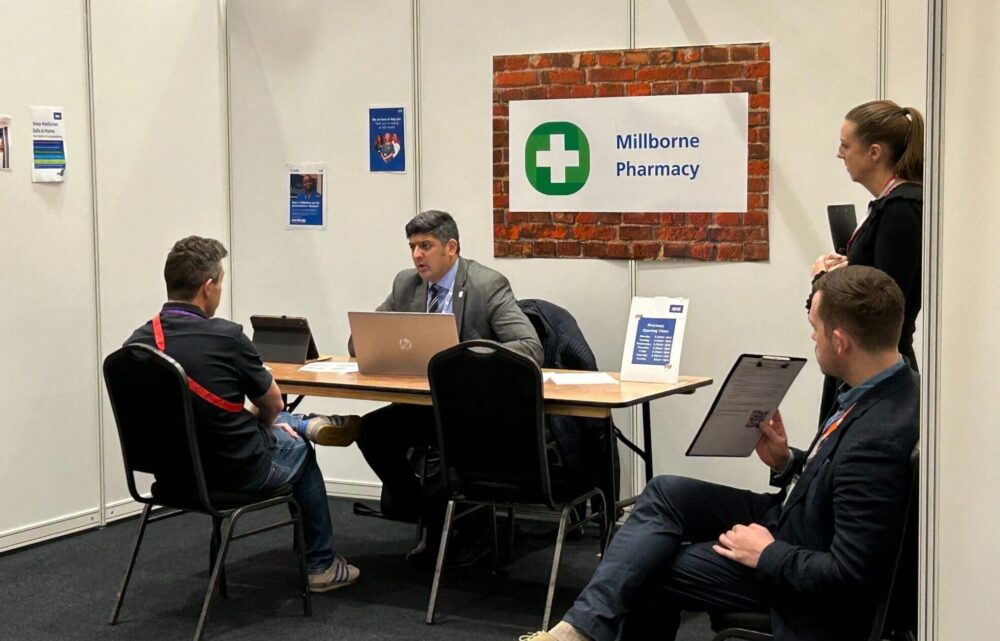
The recent national neighbourhood health service simulation at the NHS Providers conference in Manchester marked a pivotal step towards transforming the NHS into a truly neighbourhood-focused model of care. Delivered by PPL in partnership with NHS Providers, and supported by Optum and Feedback Medical, the immersive event brought together 100 participants from 40 organisations as a further test of how integrated, resident-centred care could work in practice.
Moving from ambition to action
Participants worked in multidisciplinary teams across health, social care, local government, and the voluntary sector, supported by people with lived experience to ensure authenticity. The goal was clear: move from ambition to action by embedding collaboration, digital enablement, and resident voice into routine delivery.
The impact was evident: simulated neighbourhood working delivered a 25% reduction in outpatient appointments and a 14% drop in unplanned admissions, while residents reported markedly better experiences of care.
Key simulation learnings
Key learnings from the national simulation emerged:
- Shared digital infrastructure is essential but also need behavioural change. While a single electronic patient record and interoperability were rated as critical enablers, behaviour and culture change remain vital. Teams initially defaulted to traditional referral patterns despite having access to shared data, underscoring the need for training and trust-building.
- Organising around residents transforms outcomes. By day two, professionals abandoned organisational silos to form household-based teams, reducing duplication and improving care coherence. Residents reported feeling heard and supported when care was personalised and coordinated.
- Rapid micro-huddles and joint visits drive efficiency. These practices reduced onward referrals and improved responsiveness, while embedding voluntary, community and social enterprise partners and community assets as equal contributors strengthened holistic support.
“Open communication and equal value between all contributors to the neighbourhood team is essential to provide an efficient and caring service that is deliverable in practice and engages the patient in their own health improvement.” Frontline professional
“Throughout there was a genuine desire to collaborate and that needs to be harnessed.” Simulation participant
You can explore the full learnings in the PPL and NHS Providers simulation learnings report.
Digital enablement
Digital tools played a central role in enabling this neighbourhood collaboration. Feedback Medical’s Bleepa platform was instrumental in facilitating rapid communication and referrals within and across integrated neighbourhood teams. By providing secure, real-time messaging and shared resident information, it helped professionals coordinate care – whether in physical hubs or virtual settings. Alongside EMIS-X and bespoke dashboards, Bleepa ensured teams worked from a shared evidence base, supporting timely decisions and reducing fragmentation.
As the NHS accelerates its shift to neighbourhood health, now is the time to equip teams with the right tools. Discover how Bleepa can transform collaboration in your organisation – find out more on our neighbourhood health webpage or contact our team today to continue your journey toward integrated, resident-centred care.