


Leveraging diagnostics to drive elective transformation
Published: September 2026
The Pathway Redesign Playbook: Leveraging Diagnostics to Drive Elective Transformation demonstrates how NHS organisations can reduce delays, accelerate diagnosis and improve productivity by redesigning pathways around clinical decisions rather than outpatient appointments.
The guide highlights that the majority of patients on elective pathways are still awaiting diagnosis, clinical decision-making or non-surgical management.
It suggests that redesigning these earlier pathway stages could have a greater impact on patient flow, waiting times and productivity than further optimisation of treatment services alone.
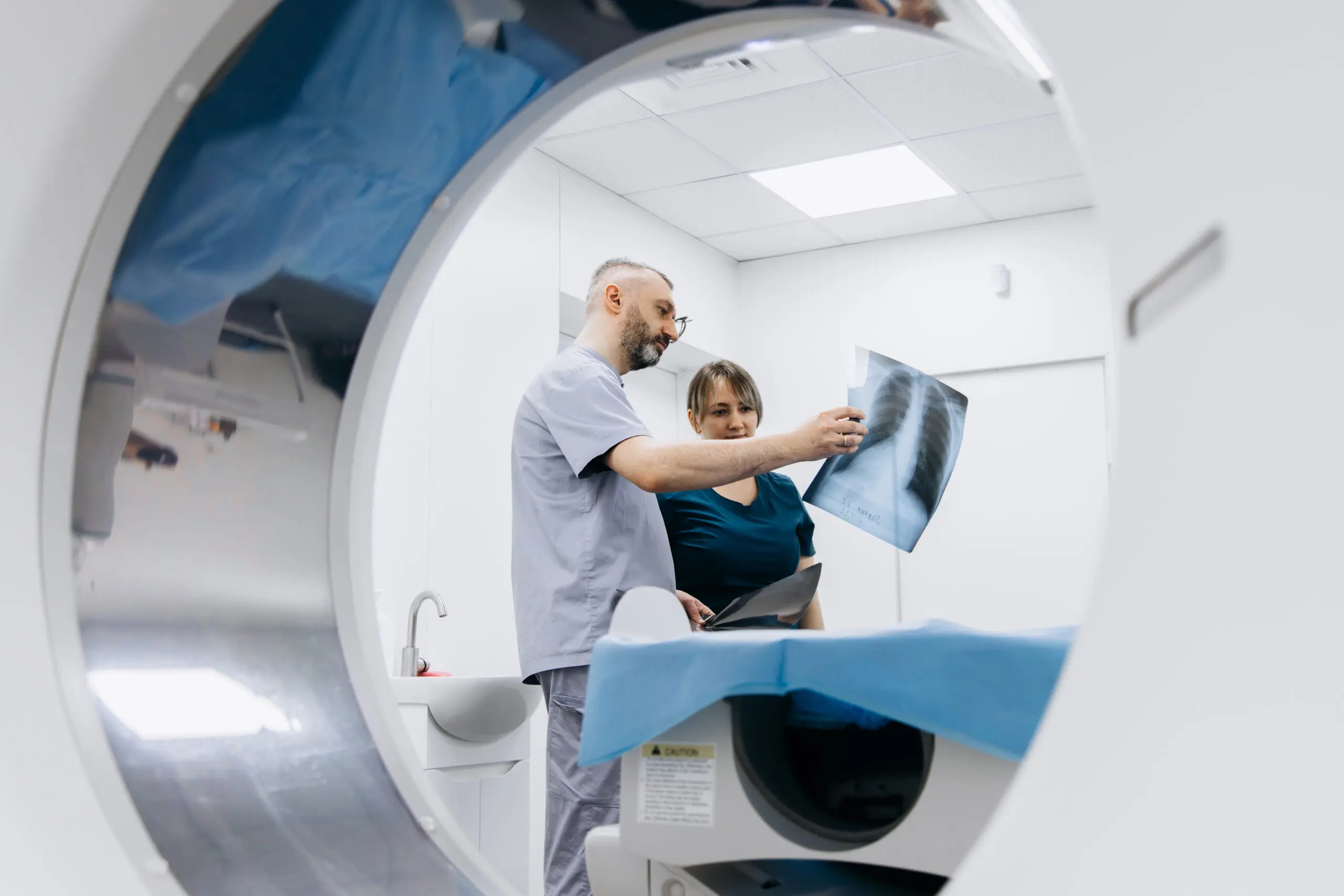
Four principles for pathway transformation
The guide proposes that successful pathway redesign should be built around four core principles:
- Design for faster decisions – Focus on achieving the earliest safe clinical decision.
- Deliver diagnostics earlier – Bring testing and information gathering forward within the pathway.
- Remove unnecessary touchpoints – Every patient and clinician interaction should add measurable value.
- Digitally enable the entire pathway – Only digital pathways can enable coordinated referrals, diagnostics, collaboration, communication and decision-making at the scale required to transform productivity.
The playbook showcases how diagnostics-first and digitally enabled pathways can reduce unnecessary outpatient appointments and accelerate clinical decision-making.
Real-world evidence from Queen Victoria Hospital NHS Foundation Trust
The guide contains several case studies from QVH that demonstrate the benefits of redesigning pathways around earlier diagnostics, digital workflows and multidisciplinary collaboration.
One example is the Trust’s digitally enabled insomnia pathway, where patient questionnaires, sleep diaries and remote triage are completed before specialist review. Early pilot data showed:
- 36% of patients discharged with a management plan
- 28% listed for home diagnostic testing
- 36% directed into specialist sleep services due to alternative diagnoses
Patients were able to access specialist advice in as little as three weeks, compared with traditional waits of up to 20 to 25 weeks for an outpatient appointment.
The playbook also highlights QVH’s award-winning digital breathlessness pathway, developed in partnership with Feedback Medical which redesigned the pathway around rapid access to diagnostics and earlier clinical review.
A blueprint for the future outpatient model
The playbook concludes that the future of elective care is not about creating more appointments but about reaching safe clinical decisions faster.
It also highlights the growing role of digital single points of access (SPoAs), enabling patients to move through diagnostics, triage and specialist review before entering traditional provider-specific waiting lists.
The objective is not to increase activity, it is to
reduce wasted time. This is where the largest opportunity for outpatient transformation exists.